Olivia Simon · 17 November 2026
Charting Seasonal Visitor Patterns and Their Effects on Online Visibility Tactics for Independent Retailers in Harbor Communities
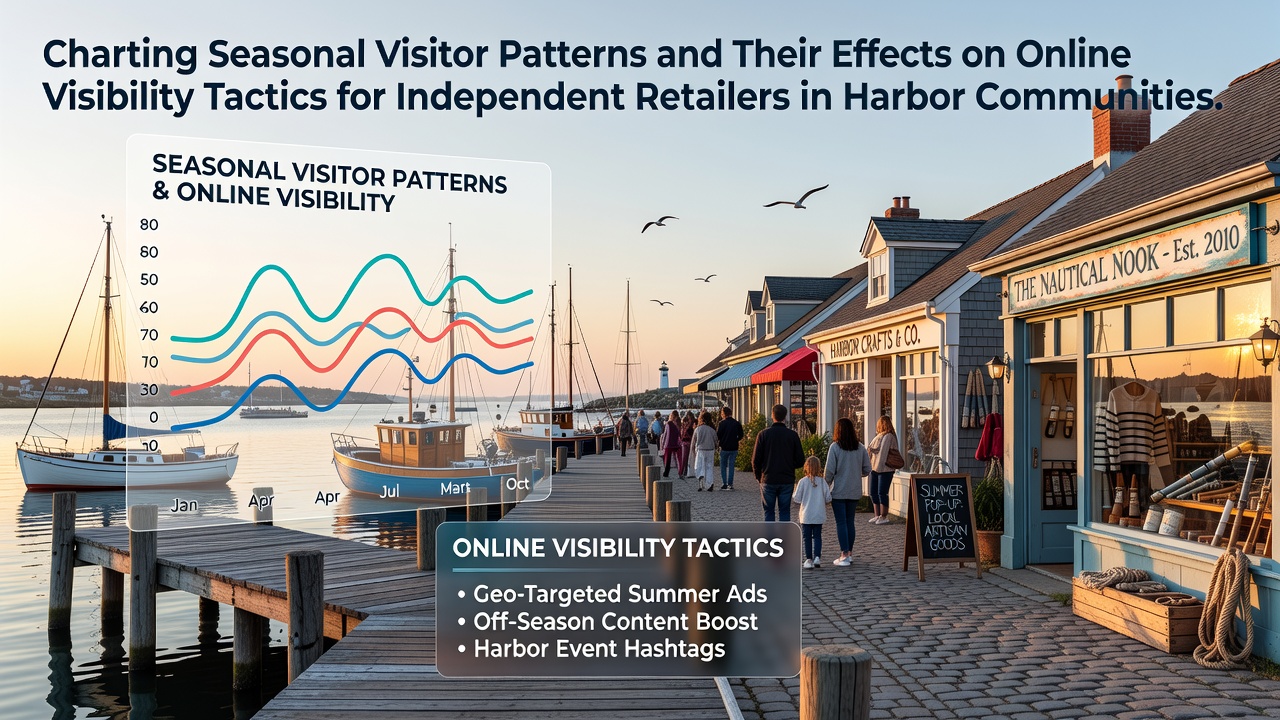
Harbor communities experience distinct cycles in visitor arrivals that reshape how independent retailers approach online visibility, and data from multiple regions shows these patterns drive measurable changes in search behavior and digital engagement throughout the year. Researchers tracking coastal tourism note that summer months often bring surges in foot traffic alongside spikes in location-based searches, while winter periods see declines that require retailers to recalibrate their digital presence to maintain relevance. Those who study these rhythms find that independent stores in places like port towns rely on timely adjustments to SEO, social content, and local listings to align with fluctuating demand.
Mapping Visitor Arrivals Across Harbor Regions
Seasonal data compiled by tourism authorities reveals that harbor communities typically see visitor peaks from May through September in the northern hemisphere, with numbers dropping sharply from October onward, and analysts examining 2025 figures project similar trends extending into late 2026. Government reports from coastal monitoring programs indicate that cruise schedules and recreational boating patterns contribute significantly to these fluctuations, creating predictable windows when search queries for local shops increase. Retailers in these areas often observe that terms related to waterfront dining, seasonal gifts, and harbor tours gain traction during high-traffic months, whereas off-season queries shift toward essentials and online ordering options.
Studies conducted by regional economic institutes highlight how these visitor waves influence not only in-store sales but also the algorithms that determine online rankings, since search engines prioritize content reflecting current user intent. Observers note that independent retailers who update their websites and listings with seasonal keywords during peak periods maintain stronger visibility compared to those maintaining static approaches year-round.
Shifts in Digital Tactics Driven by Visitor Cycles
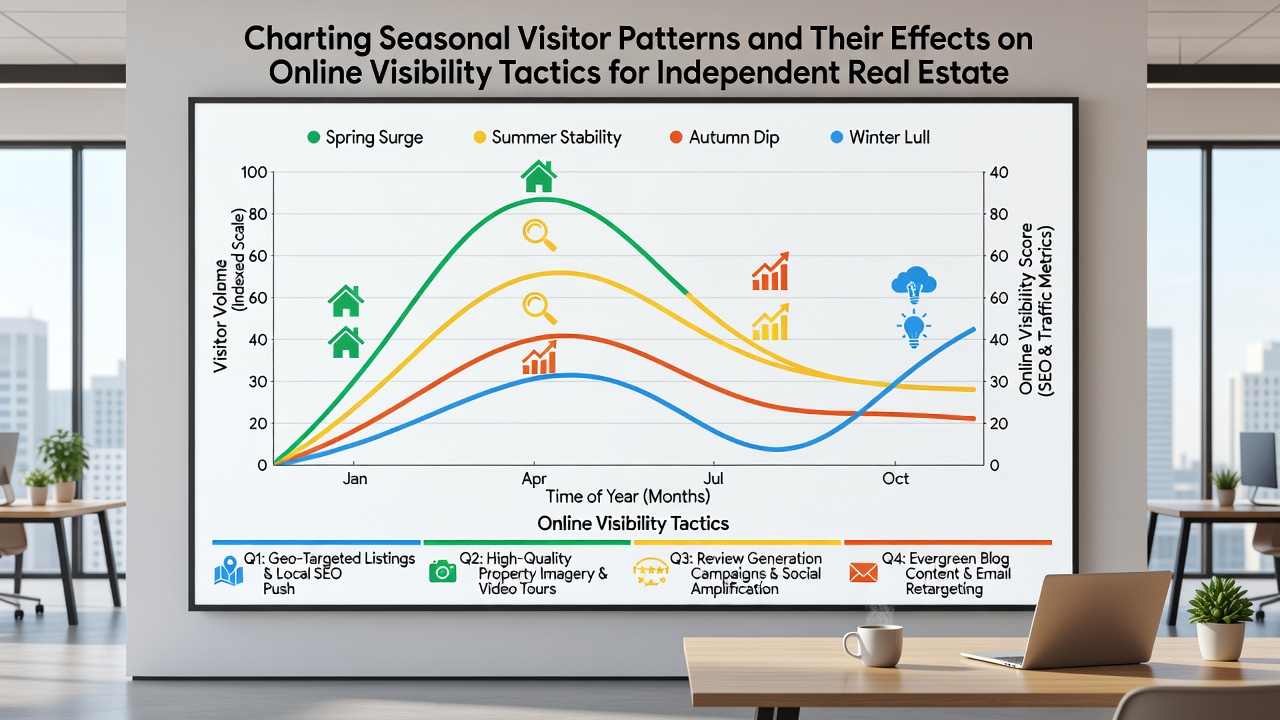
Independent retailers respond to these patterns by refining their online visibility tactics in targeted ways, and evidence from industry analyses shows that adjustments to Google Business Profiles and localized landing pages correlate with sustained search performance across seasons. During high-visitor months, stores increase emphasis on visual content featuring harbor scenes and real-time promotions, which aligns with the higher volume of mobile searches from travelers. In contrast, November 2026 data points to preparations for slower periods where retailers pivot toward email campaigns and evergreen product pages to retain local customer engagement when tourist queries taper off.
What's notable here is how social media scheduling changes alongside visitor data, with platforms seeing more check-in posts and user-generated content during summer influxes that boost algorithmic reach. Retailers who integrate these elements into broader strategies report steadier traffic to their sites, according to metrics tracked by small business digital resource centers. The reality is that failing to adapt leaves stores vulnerable to ranking drops when search volumes shift, prompting many to monitor analytics tools for early signals of seasonal transitions.
Practical Adjustments for Sustained Online Presence
Retailers in harbor settings implement several concrete steps to align tactics with visitor patterns, and reports from trade associations detail how keyword research focused on seasonal phrases improves click-through rates during peak arrivals. They often refresh meta descriptions and image alt texts to reflect current events like boat festivals or holiday markets, which helps maintain relevance in local search results. Data from academic reviews of tourism-driven economies further indicates that combining these updates with paid local ads during shoulder seasons helps bridge visibility gaps when organic traffic softens.
Community-level observations show that collaboration among retailers amplifies these efforts, such as joint social campaigns highlighting harbor-wide attractions that draw broader attention to individual stores. Those tracking outcomes note reduced bounce rates on updated sites and improved retention of off-season inquiries through targeted content calendars. External resources like the Destination Canada research portal provide seasonal tourism datasets that retailers reference when timing their digital campaigns, while parallel insights from Tourism Research Australia offer comparable benchmarks for southern hemisphere harbor areas.
Conclusion
Overall patterns demonstrate that seasonal visitor fluctuations in harbor communities directly shape the online visibility approaches adopted by independent retailers, with successful adaptations relying on timely data review and content alignment. Retailers who monitor these cycles through available analytics maintain consistent digital footprints, and ongoing studies continue to track how these tactics evolve alongside broader tourism trends into 2027 and beyond.